The Timeless Elegance of Julius Script: A Handwritten Touch in a Digital World
In an era dominated by digital communication, the allure of handwritten text has never been more pronounced. Among the many calligraphy styles that have captured the hearts of designers and creators, Julius Script stands out as a unique blend of charm and elegance. This script font, with its fluid curves and graceful strokes, has found a special place in various creative fields—from wedding invitations to business cards, logos, and greeting cards. Its popularity is not just a passing trend; it reflects a deeper shift in how we value personalization, authenticity, and aesthetic appeal in our increasingly automated world.
What Is Julius Script?
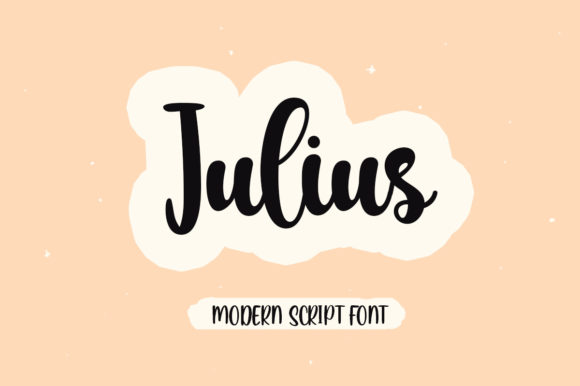
Julius Script is a beautifully crafted script font designed to mimic the natural flow of handwriting. It combines elements of traditional calligraphy with modern design principles, resulting in a style that feels both classic and contemporary. The font's elegant loops, balanced spacing, and soft transitions between letters give it a refined appearance that works well across a wide range of mediums.
Unlike some script fonts that can appear too ornate or difficult to read, Julius Script strikes a perfect balance between legibility and artistry. This makes it an ideal choice for both formal and informal designs. Whether used for a thank you card or a high-end brand logo, the font maintains its visual appeal without compromising clarity.
The Rise of Handwritten Aesthetics in Design
The resurgence of interest in handwritten aesthetics can be attributed to several factors. In a world where digital interactions often feel impersonal, there is a growing desire for authenticity and connection. This is especially evident in industries such as marketing, branding, and lifestyle design, where emotional resonance plays a crucial role in consumer engagement.
For professionals and entrepreneurs, incorporating handwritten elements into their work can create a sense of warmth and approachability. Julius Script offers a way to achieve this effect without sacrificing professionalism. Its use in branding materials, such as logos and packaging, can help businesses stand out in a crowded marketplace by conveying a sense of care and individuality.
Why Julius Script Fits Into Modern Trends
Several broader trends in design and technology have contributed to the growing popularity of Julius Script. One of these is the increasing emphasis on user experience (UX) in digital interfaces. While UX design primarily focuses on digital platforms, the principles of usability and aesthetics extend to physical design as well. Julius Script aligns with these principles by offering a visually pleasing yet readable option for printed materials.
Another key trend is the rise of minimalism in design. While minimalism often emphasizes clean lines and simplicity, it does not mean that a design must be devoid of character. Julius Script provides a subtle yet expressive alternative to purely geometric or sans-serif fonts. It adds a touch of personality without overwhelming the viewer, making it a versatile choice for various applications.
Moreover, the growing interest in sustainability and eco-conscious design has also influenced the use of handwritten fonts. Many consumers are drawn to brands that prioritize ethical practices and environmental responsibility. By using Julius Script in print materials, businesses can communicate a commitment to quality and craftsmanship, reinforcing their values in a tangible way.
Practical Applications of Julius Script
The versatility of Julius Script makes it suitable for a wide range of practical applications. Here are a few examples of how this font can be effectively used:
- Wedding Invitations: Julius Script is a popular choice for wedding invitations due to its romantic and elegant appearance. It adds a personal touch that complements the celebratory nature of the event.
- Thank You Cards: Expressing gratitude in a handwritten note can make a lasting impression. Julius Script enhances the sentiment of appreciation by adding a layer of sophistication.
- Greeting Cards: From birthday cards to holiday greetings, Julius Script brings a sense of warmth and creativity to every message.
- Business Cards: For freelancers and entrepreneurs, a well-designed business card can serve as a powerful marketing tool. Julius Script helps create a memorable first impression while maintaining a professional image.
- Logos and Branding: Incorporating Julius Script into a brand’s visual identity can differentiate it from competitors. Its unique style can convey a sense of exclusivity and attention to detail.
How Julius Script Enhances User Experience
In addition to its aesthetic appeal, Julius Script contributes to a better user experience in several ways. For instance, when used in printed materials, it can enhance readability by providing a more natural reading rhythm compared to overly stylized fonts. This is particularly important in marketing materials, where clear communication is essential.
Furthermore, the use of Julius Script can evoke positive emotions and associations. Studies in psychology suggest that handwritten text can trigger feelings of trust and intimacy. By leveraging this psychological effect, designers can create more engaging and emotionally resonant content.
The Future of Handwritten Typography
As technology continues to evolve, the role of handwritten typography in design is likely to expand. With the rise of augmented reality (AR) and virtual reality (VR), there is potential for handwritten fonts like Julius Script to be integrated into immersive experiences. Imagine a virtual greeting card that uses Julius Script to deliver a personalized message in a 3D space—this could become a new frontier for creative expression.
Additionally, advancements in artificial intelligence (AI) may lead to the development of tools that allow users to generate custom handwritten fonts based on their own writing style. This could democratize access to unique typographic designs, making it easier for individuals and businesses to incorporate personalized elements into their work.
Despite these technological developments, the fundamental appeal of handwritten text is unlikely to fade. As long as people continue to value authenticity and human connection, fonts like Julius Script will remain relevant and cherished in the design world.
In conclusion, Julius Script represents more than just a font—it is a reflection of our evolving relationship with design, technology, and personal expression. Its ability to bridge the gap between tradition and innovation makes it a valuable asset for professionals, creators, and enthusiasts alike. Whether used in a wedding invitation or a corporate logo, Julius Script adds a touch of elegance that resonates with audiences in a meaningful way.